

Magnificent Manila: Life unfolds loudly in this vibrant metropolis of song, style and energy
Manila is a city that lives outwardly. It sings, dances, shops, performs and indulges with an ease that feels instinctive rather than curated. From the moment one steps into its rhythm, it becomes clear that this is not a place designed for passive observation – the capital of the Philippines demands participation.
The almost two million people who inhabit the eastern shore of Manila Bay thrive on energy, conversation, music and movement. This is one of the world’s most densely populated cities, and its pleasures unfold vividly. In the city itself and the wider Metro Manila region, the experience is urban, expressive and richly layered, revealing a megalopolis that understands entertainment not as spectacle alone, but as a shared cultural language.
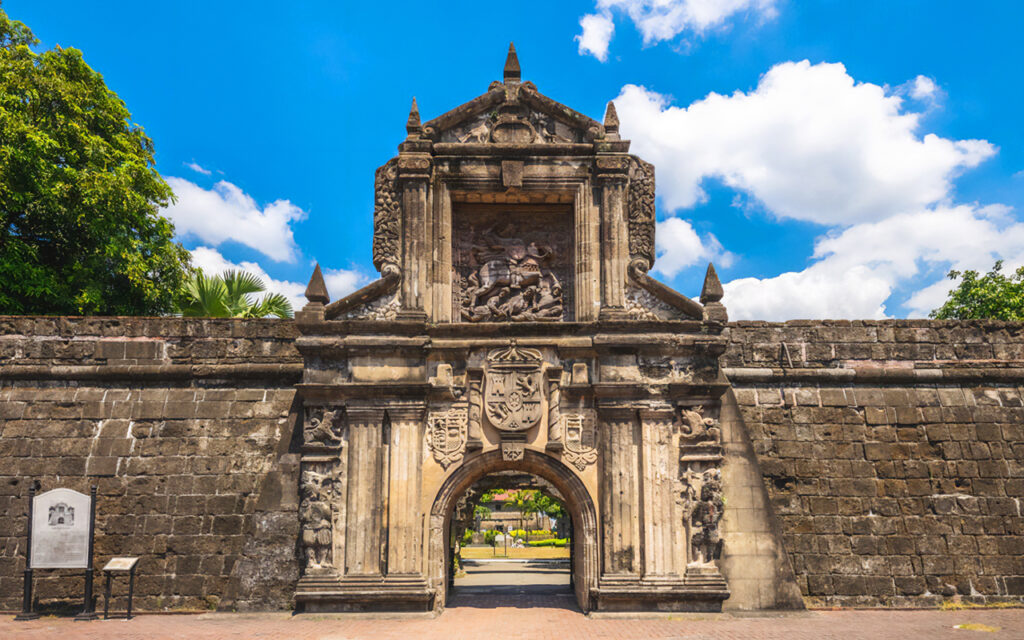
The City of Manila’s historic core provides an essential foundation for this vibrancy. Intramuros, the old walled district constructed by the Spanish conquistadors in the late 1500s, reminds of its long role as a cultural crossroads. Thick stone walls, grand churches and colonial courtyards speak to centuries of history that continue to inform the city’s identity.
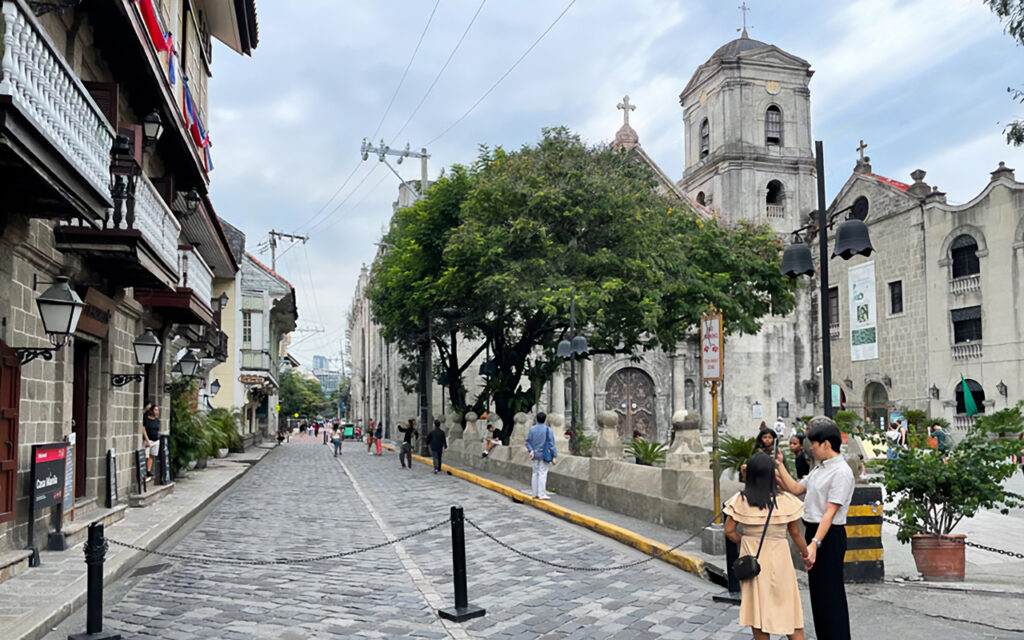
San Agustin Church, a Unesco World Heritage site, offers a moment of stillness amid the surrounding motion, grounding the experience in something enduring. Standing through earthquakes and wars since 1607, the country’s oldest stone church allows visitors to admire an ornate interior and remarkable preservation.
Going with the Flow
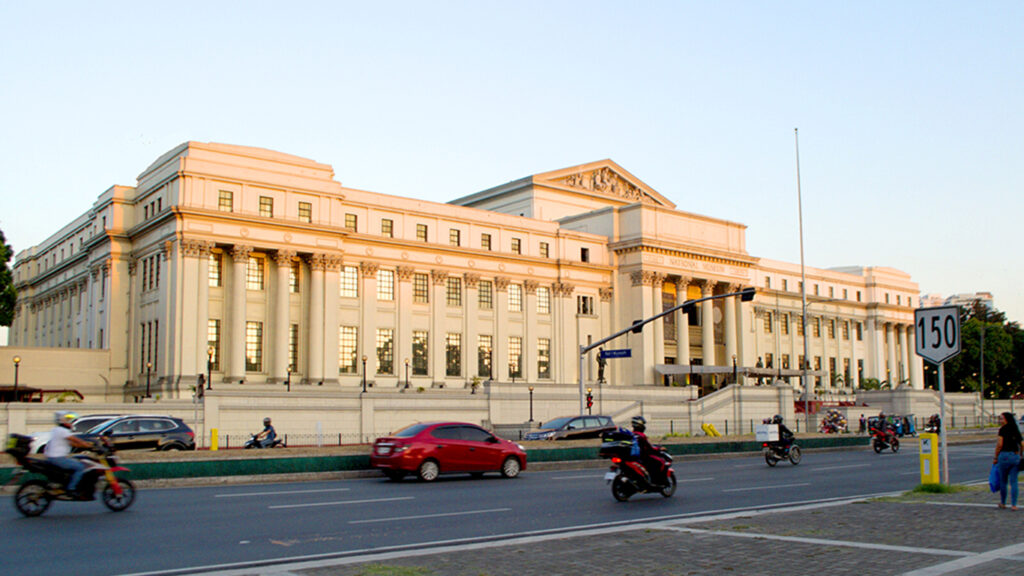
Sightseeing in Manila works best when integrated into the city’s natural flow. Architectural contrasts are constant, with colonial façades coexisting with modern towers and religious landmarks maintaining calm amid movement. Museums and cultural spaces provide insight into Filipino identity, shaped by resilience, creativity and adaptability.
From these quiet spaces, the transition back into modern Manila is immediate and exhilarating, as traffic hums, music floats through open doors, and the metropolitan pulse becomes impossible to ignore. Casual walks through the financial skyscrapers and shopping centres of nearby Makati or Bonifacio Global City (a.k.a. The Fort for its military heritage) in Taguig – where attractions range from the science exhibits of the Mind Museum to the 66-storey Metrobank Center, the tallest building in the Philippines – reveal layers of design, public art and daily life unfolding simultaneously.
Songs for Drinking and Dancing
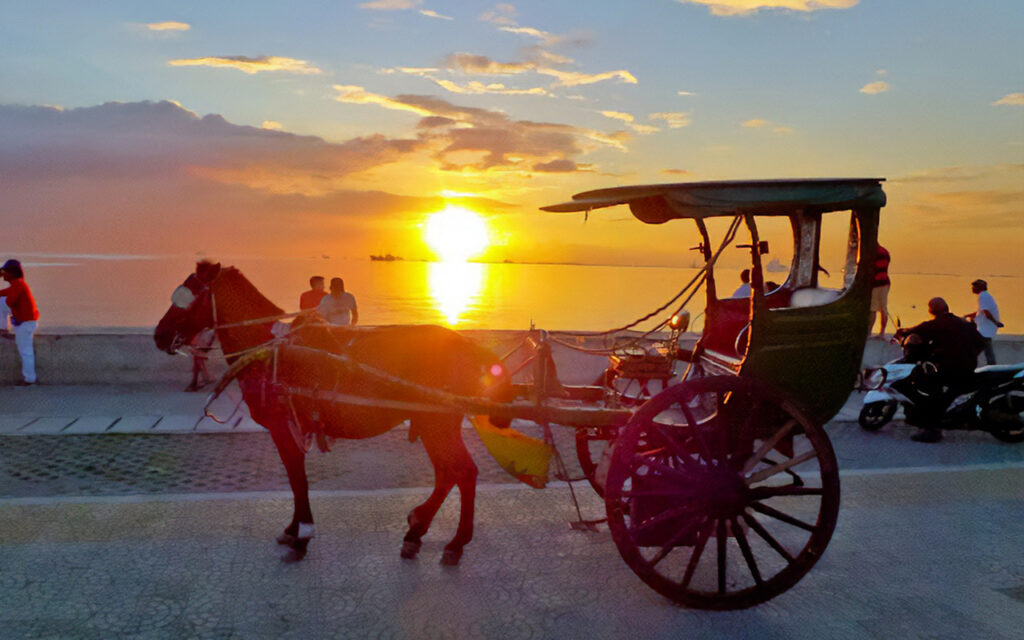
Waterfront promenades invite reflection as daylight fades and the city lights begin to glow, offering a quieter counterpoint to the urban energy. As evening deepens, Manila’s nightlife reveals its range and confidence. Cocktail lounges transition naturally into dance floors, while live-music venues remain packed well past midnight. Nights rarely feel rushed; dining, drinking, music and conversation flow together seamlessly and without effort.
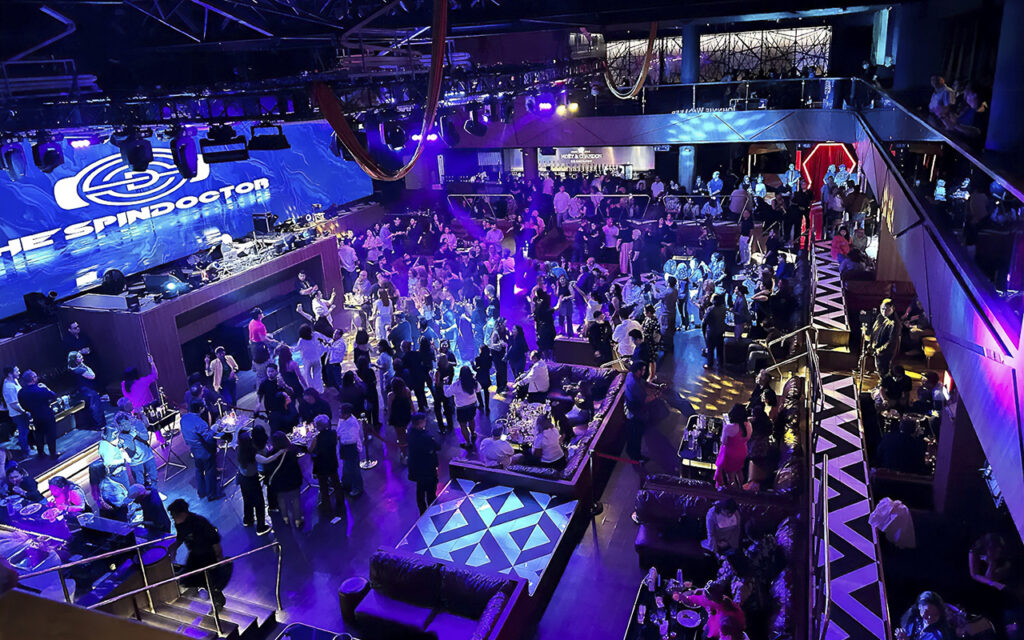
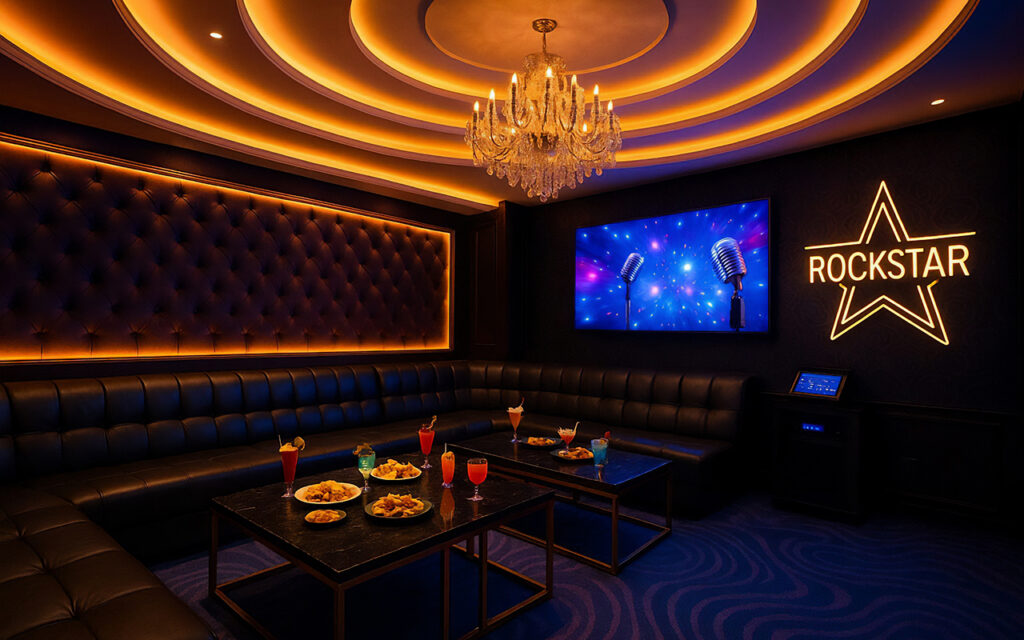
Music is everywhere in Metro Manila, not as background but as a central expression of social life. Singing is woven deeply into the culture, and upscale karaoke lounges elevate this tradition into a participatory, expressive, joyful and deeply social art form. Music 21 Plaza’s Makati branch remains a classic destination for karaoke, offering plush rooms, attentive service and an atmosphere designed for long, unhurried nights. In Bonifacio Global City, Rockstar KTV Restrobar presents a contemporary environment, with sleek interiors, advanced sound systems and private rooms for lounging.
The city’s after-dark scene is energetic but rarely aggressive, and glamorous without being rigid. DJs blend international sounds with local influences, and dance floors fill organically. Even in the most vibrant spaces, there is an emphasis on conviviality and ease. Top clubbing draws include Royal in Poblacion, the nightlife heart of Makati, and the multiple-venue The Palace in Bonifacio Global City, led by the mass rush of XYLO and the more intimate Revel lounge.

Much Adobo in Dining
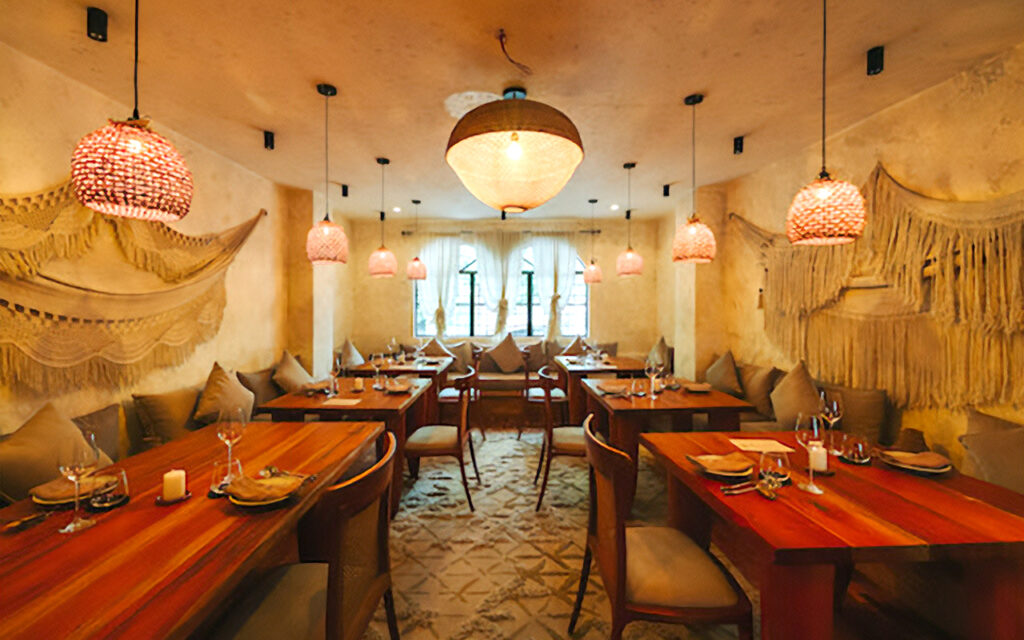
Food anchors daily life in Manila, and dining is treated as a social ritual. Filipino cuisine, a vivid statement of the city’s culinary identity, is increasingly presented with refinement. Traditional flavours built on garlic, vinegar and soy sauce – exemplified by the unofficial national dish of pork and/or chicken adobo – and citrus, particularly calamansi, are balanced through modern technique. The local delicacy of tinapa sees fish like blackfin scad or bangus (milkfish) brined, cooked and preserved through smoking.

Restaurants reinterpret familiar dishes without losing their essence. The Makati establishments of Hapag, Inatô, Kasa Palma and Toyo Eatery were honoured with a star in The Michelin Guide for the Philippines, which debuted this year. International dining options, meanwhile, reflect the city’s global outlook and openness. British-Filipino chef Josh Boutwood’s tasting menus at the two-star Helm are a must for serious foodies.
Meals in Manila are unhurried, extending naturally into drinks, music, or a short walk to another venue. Late-night dining is not an afterthought but an expectation, reinforcing the city’s rhythm of lingering and connection.
Glorious Gaming
Casino and entertainment complexes such as Okada Manila and Solaire Resort add another layer of urban glamour. Located in Entertainment City, these integrated destinations boast a confident, cosmopolitan atmosphere, combining gaming, dining, shopping, nightlife and top-notch accommodation within expansive, polished environments. Casino floors are lively and well-appointed, offering everything from energetic main halls to more secluded high-limit areas.
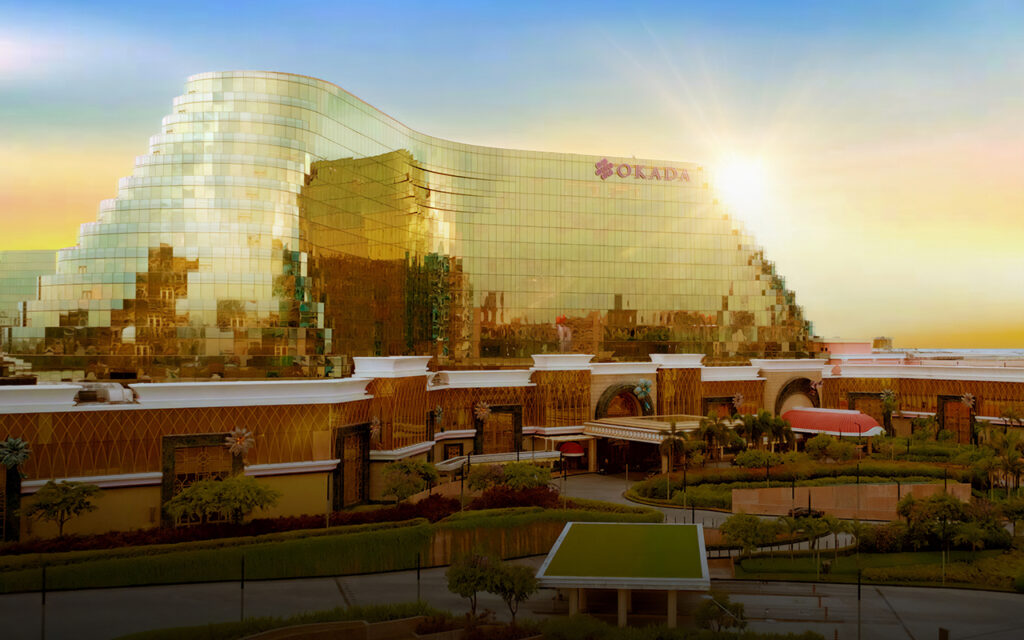
Beyond gaming, these complexes house internationally recognised restaurants and luxury boutiques, live performance venues, and lounges with sweeping views of the city or bay. An entire evening can unfold within their walls without repetition, moving fluidly from dinner to entertainment to late-night cocktails.
Dip into Designer Heritage
Shopping is another essential expression of Manila’s urban life. The city’s major retail districts are carefully designed to combine fashion, dining and leisure into cohesive experiences. Makati offers the most refined ambience, with international luxury brands sitting alongside Filipino designers whose work draws on heritage craftsmanship with modern sensibility. Bonifacio Global City presents a more contemporary, walkable aesthetic, where tree-lined streets, open plazas and public art frame boutiques and concept stores. Cafés and restaurants encourage long afternoons that move effortlessly between browsing and dining.
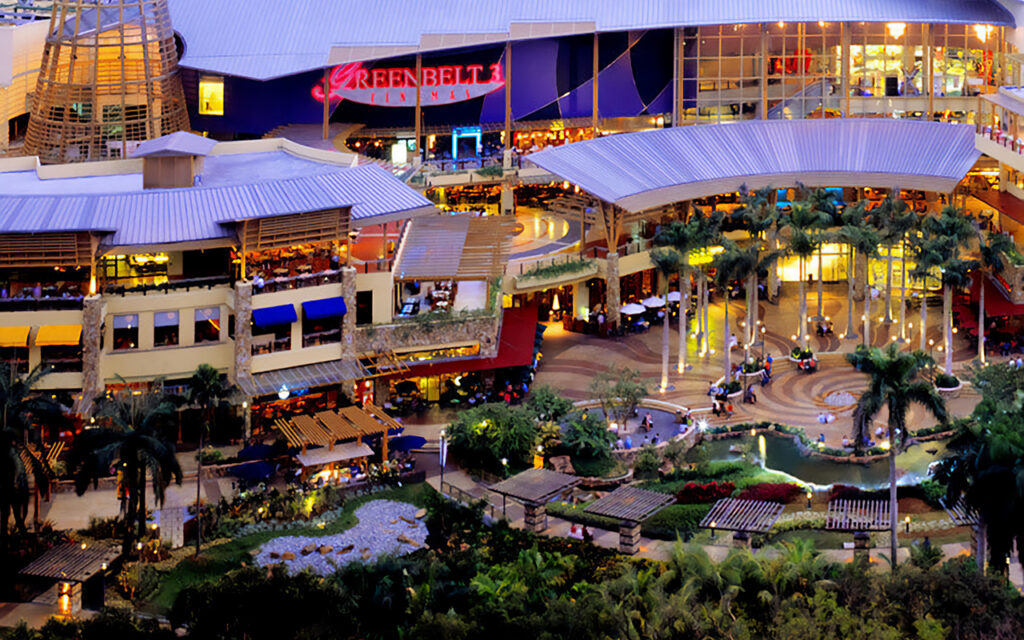
What distinguishes shopping in Manila is the access to exquisite Philippine products that carry both beauty and narrative. Handwoven textiles sourced from regional communities are transformed into modern fashion and home pieces, each reflecting generations of skill. South Sea pearls, among the finest in the world, are presented in understated designs that emphasise natural lustre. Capiz shell lighting glows softly in curated interiors, while finely crafted wood furniture and accessories showcase native materials shaped by artisanal expertise.
Cycle of Urban Life
Despite its intensity, Manila understands balance. Wellness spaces, spas and quiet cafés offer recovery between late nights and full days. Early mornings reveal a gentler city, where joggers move through clean streets, cafés open slowly, and the pace briefly softens before rebuilding. By afternoon, energy returns. By evening, it is unmistakable again. This cycle gives Manila its momentum, allowing indulgence and rest to coexist naturally.
What makes the city endure is not its polish but its vitality. It does not attempt to impress from a distance; it engages directly, asking visitors to listen, to participate and to stay present. Its pleasures are immediate but layered, and expressive rather than sterile; this is a place where culture is lived rather than displayed.
A stay in Manila does not offer escape from urban life – it invites immersion at its most animated. Those who give the city attention are rewarded with richness, warmth and unmistakable character. It is this lived energy, sustained across sound, movement, craftsmanship and social connection, that makes Manila not just memorable, but compelling long after the lights dim and the music fades.