
Wok Companions: The complexity of Chinese cuisine calls for a great growth Riesling or Pinot Noir – or both
Chinese cuisine often layers sweetness, salt, umami, aromatics and sometimes heat within the same sitting, where the combination of dishes can showcase a range of cooking techniques and possibly regional styles. Hence, successful wine pairing must deliver precision, structure and refinement without overwhelming the table.
The guiding principle when matching Chinese food with premium wine is harmony through balance rather than sheer power. Two wines consistently rise to this challenge: top-tier German Grosses Gewächs Riesling or elite dry Riesling from a benchmark producer, and Grand Cru red Burgundy from a finesse-driven domaine.
Arousing Riesling
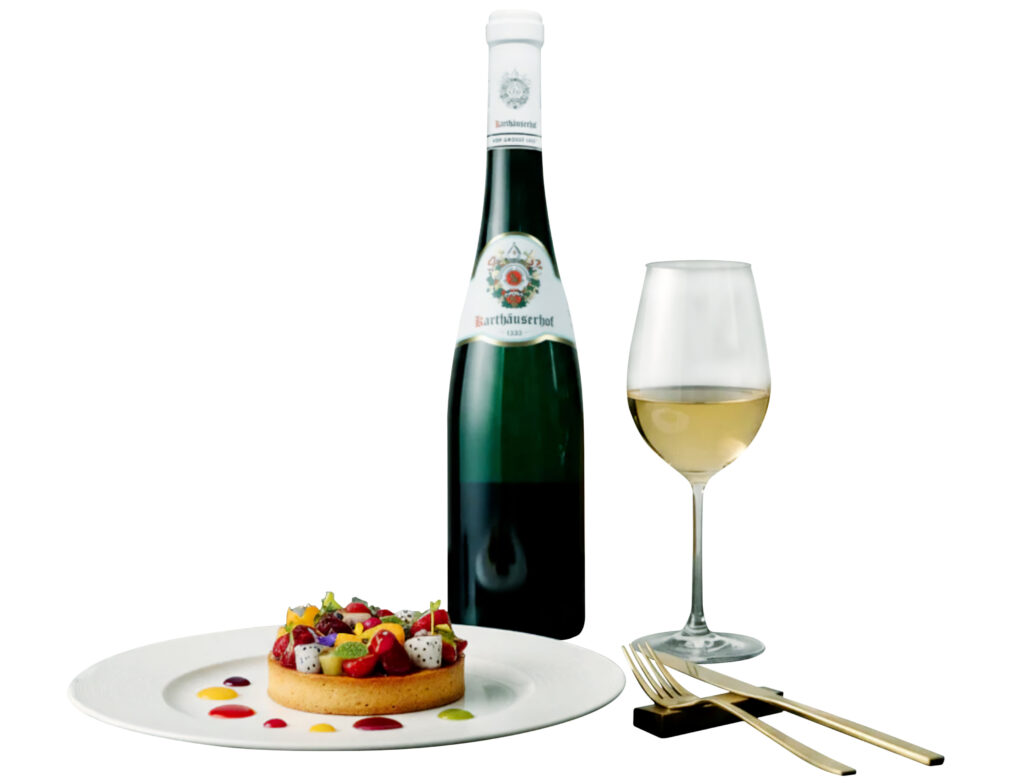
For white wine, a Grosses Gewächs (GG, great growth) Riesling from the Mosel, Rheingau or Nahe offers exceptional compatibility across diverse Chinese dishes. These wines are fully dry yet intensely expressive, combining concentrated citrus, orchard fruit and crushed-stone minerality with electric acidity. Unlike heavier whites, they avoid overt oak influence, allowing clarity and detail to remain at the forefront. That purity is essential when navigating the complexity of Chinese cuisine, where sauces may combine soy, ginger, garlic, rice wine, sugar and spice.
The hallmark of a GG Riesling is its structure. The acidity provides lift, cutting through richer preparations while refreshing the palate between bites. At the same time, the wine’s layered fruit and mineral depth mirror the cuisine’s intricate seasoning. A mature example gains the additional nuance of subtle honeyed or petrol notes without sacrificing vibrancy – ideal for lighter steamed dishes, braised preparations and aromatic stir fries. Rather than competing with Chinese dishes, the wine integrates seamlessly into the meal’s rhythm.
Prestigious producers to seek out include Weingut Keller, Egon Müller, J.J. Prüm (especially aged bottlings) and Willi Schaefer. Within this elite tier, a well-chosen GG Riesling offers both intellectual complexity and remarkable versatility. It can anchor an entire dinner, maintaining tension and freshness from the first dish through to the last.
Chardonnay Precision
As an alternative white at a similar level, look to some of the French great growths. The mineral-driven Chardonnay of Burgundy, particularly Puligny-Montrachet, and Chablis Grand Cru can also perform beautifully when oak influence is restrained.
Côte de Beaune producers such as Domaine Leflaive and Pierre Yves Colin-Morey, or Chablis’ Domaine Françoise Raveneau, craft wines that emphasise structure and finesse. The key is selecting examples that prioritise tension and precision.
Burgundian Elegance
On the red side, Grand Cru Burgundy from the northern Côte de Nuits provides the most consistent luxury pairing. Pinot Noir at this level delivers silken tannins, vibrant red fruit and earthy undertones that complement savoury depth without clashing with the soy-based elements of Chinese cooking.
While the cuisine can exaggerate the bitterness in heavily tannic reds, Bourgogne Grand Cru succeeds because it combines concentration with grace. Wines from producers like Domaine de la Romanée-Conti and Comte Liger Belair in Vosne-Romanée, Gevrey-Chambertin star Armand Rousseau, and Chambolle-Musigny standout Georges Roumier exemplify this equilibrium.
They possess layered cherry and raspberry fruit, subtle spice and forest-floor complexity, with fine-grained and integrated tannins that allow them to glide alongside braised and roasted meat and umami-rich sauces. Serving them slightly below standard room temperature – 15 to 16°C – enhances freshness and poise.
A Grand Cru Burgundy may require a substantial outlay, but it is capable of elevating a diverse Chinese dinner without dominating it. The elegance of the wine mirrors the cuisine’s own balance of boldness and subtlety.
Enlivening Beaujolais
If a Bourgogne grand cru is unavailable, go for a mature Cru Beaujolais from a cult producer such as Jean Foillard or Yvon Métras, particularly from older vintages. Through low tannins and vibrant acidity, these aromatic Gamay wines from the leading appellations of Morgon and Fleurie, respectively, are remarkable partners for Chinese classics, especially beef and mushroom-based dishes.
Pairing luxury wine with Chinese cuisine requires discernment rather than intensity. German GG Riesling provides crystalline precision, mineral backbone and enduring freshness across the full spectrum of dishes. Grand Cru Burgundy contributes depth, texture and refinement without heaviness. Together, they represent a harmonious red and white combination capable of navigating nearly any Chinese menu with confidence, elegance and balance.