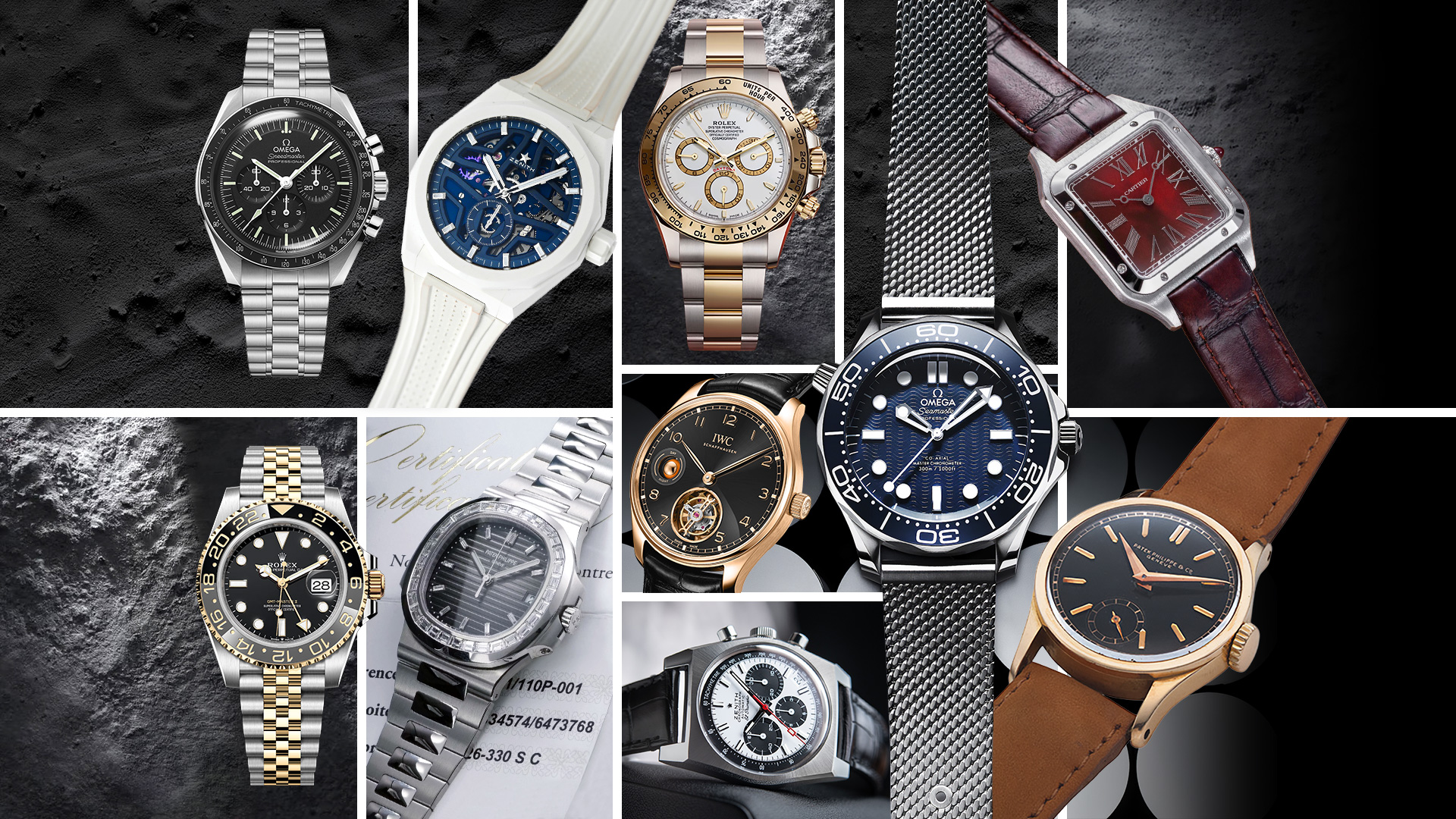

Dial Control: Major manufactures have succeeded in swaying the market through boutique-led retail and certified resales
The global watch market has undergone significant transformation and structural change over the past decade, and these dynamics will continue to influence the industry in 2026. Strategies implemented by the leading brands, combined with broader market forces, have reshaped distribution, pricing, production and consumer behaviour.
Second-Hand Surge
One of the most striking shifts in the watch world is the expansion and institutionalisation of the pre-owned and certified pre-owned (CPO) market. Pre-owned purchases reportedly grew faster than sales of new watches in the early 2020s. Last year, the Deloitte Swiss Watch Industry Study noted a greater appetite among younger buyers for these retail channels, with 40 percent of millennials and Gen Z indicating they are likely to purchase a pre-owned watch within the next 12 months.
Not standing idly by as time ticks on, the big brands are exerting influence in this burgeoning secondary market. By certifying that their timepieces in the used-watch space are genuine, they are not only providing reassurance to loyal clientele wishing to own them, but also putting the trade into the hands of official retailers rather than unaffiliated second-hand watch sellers.

Rolex introduced its Certified Pre-Owned programme in 2022, offering a branded certificate of authentication and a two-year international guarantee for used watches sold through its authorised dealers. Last year, the minimum age of Rolex watches available for certification was relaxed from three years to two years, thus increasing the inventory of watches available for sale in this manner. Rolex’s entry into the space legitimised pre-owned retail and prompted other brands to take the segment more seriously.
Richemont, the parent company of Cartier, also played a role in this ecosystem. In an early signal that major luxury groups acknowledged pre-owned demand as a permanent phenomenon, it acquired leading UK pre-owned watch retailer Watchfinder & Co. in 2018. Likewise, Audemars Piguet partnered with online platform WatchBox in 2023 for authenticated resale, further reinforcing the trend of bringing CPO activities in-house and gaining more control over the secondary market.
In-House Push
Another key market dynamic is the move toward retail consolidation and brand-controlled distribution. Leading watchmakers are opting for mono-brand boutiques in place of multi-brand retail spaces, reducing wholesale presence, and increasing direct-to-consumer channels. Audemars Piguet is a case in point. By largely eliminating third-party authorised dealers, it now operates primarily through boutique-only retail. Further boosting the image of exclusivity, it launched AP House, a series of intimate luxury lounges in key cities for watch viewing and socialising with like-minded timepiece aficionados.
Heightened control over sales environments and pricing consistency are the industry orders of the day. In 2023, Patek Philippe announced that it would reduce its retail network by 30 percent, tightening up on authorised dealers and emphasising relationship-based distribution while concentrating on dedicated showrooms that elevate the customer experience.
Prime Players
Topping Swiss watch sales, Rolex remains the single most influential luxury watch brand by global market share. Although the company does not publish official production numbers, independent analysts have suggested it clocked some 1.24 million pieces in 2023, an output high over previous years. The launch of its CPO programme, consistent demand for its core models, and ongoing investments in authorised-dealer showrooms and new production facilities, including a massive new manufacturing site at Bulle scheduled to open in 2029, have reinforced Rolex’s central role in market dynamics.
Safeguarding its reputation for craftsmanship and legacy appeal, Patek Philippe maintains low, highly controlled production. Historically, this has been cited at about 60,000 watches per year, with a jump to 72,000 estimated last year. Soaring prices in the secondary market that followed the discontinuation of the Nautilus 5711 in 2021 were evidence of Patek’s enduring influence.

Beloved by collectors for the Royal Oak and Royal Oak Offshore models, Audemars Piguet has been strengthening its identity through vertical integration and investment in its Le Brassus facilities, as well as a boutique-dominant sales model.
Cartier ranks among the world’s largest luxury watchmakers by revenue, second only to Rolex. Lasting popularity of its iconic models, including the Tank, Santos and Ballon Bleu, is reflected in Richemont’s annual earnings reports.

By adopting Master Chronometer certification in partnership with the Swiss Federal Institute of Metrology (Metas) in 2015, Omega reshaped expectations for precision and anti-magnetic resistance across the industry. Part of the publicly traded Swatch Group, the brand also achieved global visibility from the MoonSwatch collaboration of 2022.

Tudor has strengthened its position through the development of in-house movements produced with Kenissi, the Swiss movement manufacturer it co-founded a decade ago. The adoption of Master Chronometer certification in 2023, starting with the flagship Black Bay line, represents a significant technical upgrade.

Known for its chronographs and motorsport partnerships, TAG Heuer is a key brand in LVMH’s Watches & Jewellery division, contributing to segment growth. Breitling underwent an organisational transformation after 2017 under private equity ownership. It has won plaudits for its sustainability commitments, such as the use of 100 percent recycled plastic bottles in watch boxes.

Founded as recently as 2001, Richard Mille is a leader in the ultra-luxury watch space. Its strategy of material innovation, backed by an extremely limited annual production – said to be less than 6,000 per year – has steered its remarkable rise as the sixth largest watch brand in the world by turnover.

The luxury-watch sector – models above CHF 3,000 (HK$29,000) – has expanded in recent years, while low-price mechanical and quartz segments have suffered a decade-long decline in volume. Despite a challenging year for the industry in 2025, strategies implemented by the leading brands are bearing fruit. Retail is more controlled and boutique-focused, certification standards are improving, and the pre-owned sector is fully established. Together, these changes are creating a more transparent, structured and stable environment for anyone interested in fine timepieces.