
The cocktail Hour: Small, elegant watches return to grace wrists, telling of a timely preference for restraint
The cocktail watch is back, not as a relic, but as a rebuttal. In a culture long dominated by oversized sports watches and hyper-technical narratives, the revival of small, elegant timepieces signals a renewed appetite for restraint, intimacy and style. Closely aligned with the neo-vintage movement, cocktail watches today occupy a space where nostalgia meets modern confidence.
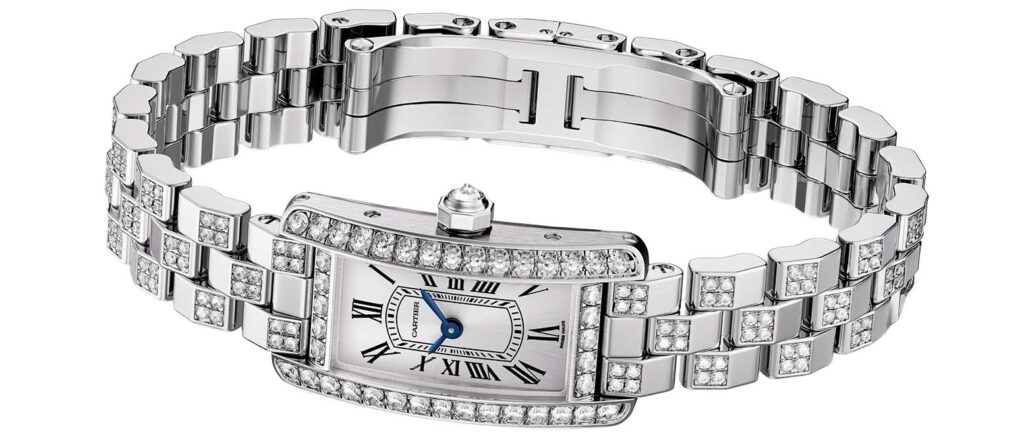
Historically, cocktail watches were never about performance. Rising to prominence from the 1930s through the 1960s, they were designed for evenings, interiors and proximity. Slim cases, precious metals, expressive dials and subtle movements defined the category. These watches were meant to be seen in low light, across a table or bar, not across a room. They were accessories first, instruments second.
Their fall from favour was almost inevitable. The late 20th century redefined what a serious watch looked like. Bigger cases, visible complications and rugged identities reshaped collecting priorities. Elegance was sidelined in favour of utility. Considered too small, too decorative and too quiet, cocktail watches were pushed into the trays of vintage dealers and forgotten archives.
Small Change
The neo-vintage revival has reversed that trajectory. As collectors reassess the excesses of modern watch design, attention has shifted back to proportion, wearability and emotion. Neo-vintage does not demand strict historical fidelity; instead, it values continuity. Watches from the late 1980s to early 2000s, along with contemporary designs inspired by earlier eras, offer modern reliability with lost sensibilities intact.
Cocktail watches thrive in this environment. Case sizes of 32 to 36mm that were once dismissed as obsolete now feel deliberate and sophisticated. On the wrist, these proportions read as elegant rather than timid, especially as fashion embraces tailoring, fluid silhouettes and gender-neutral styling.
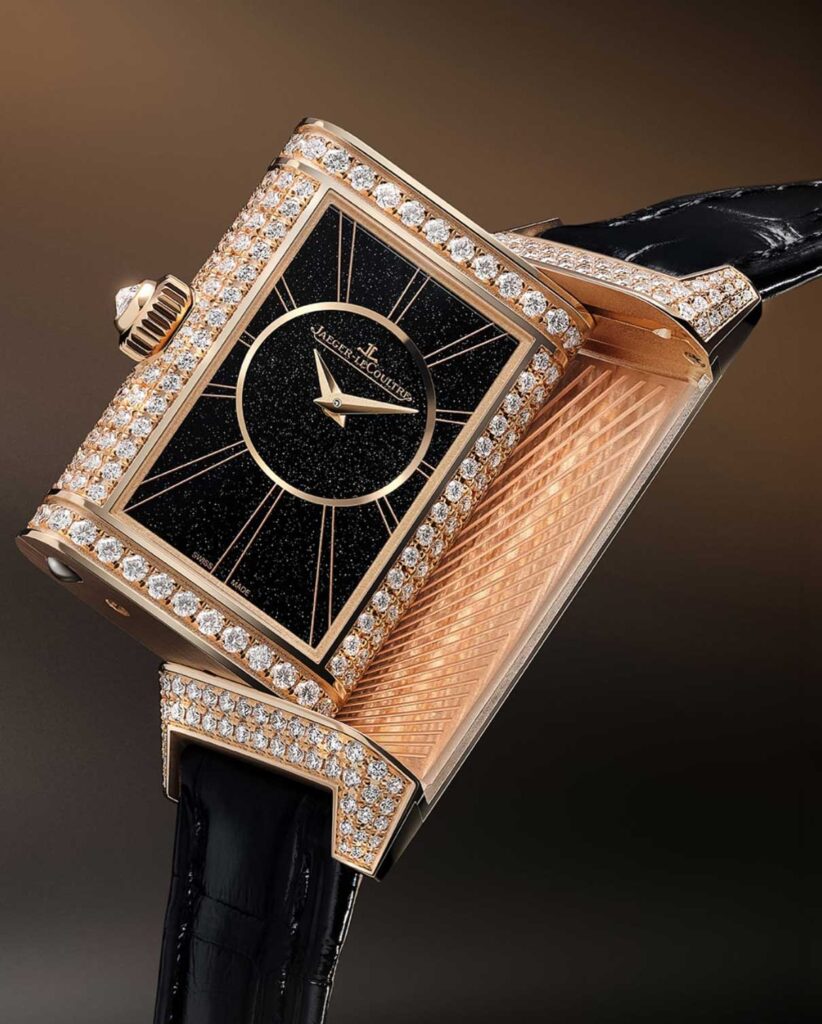
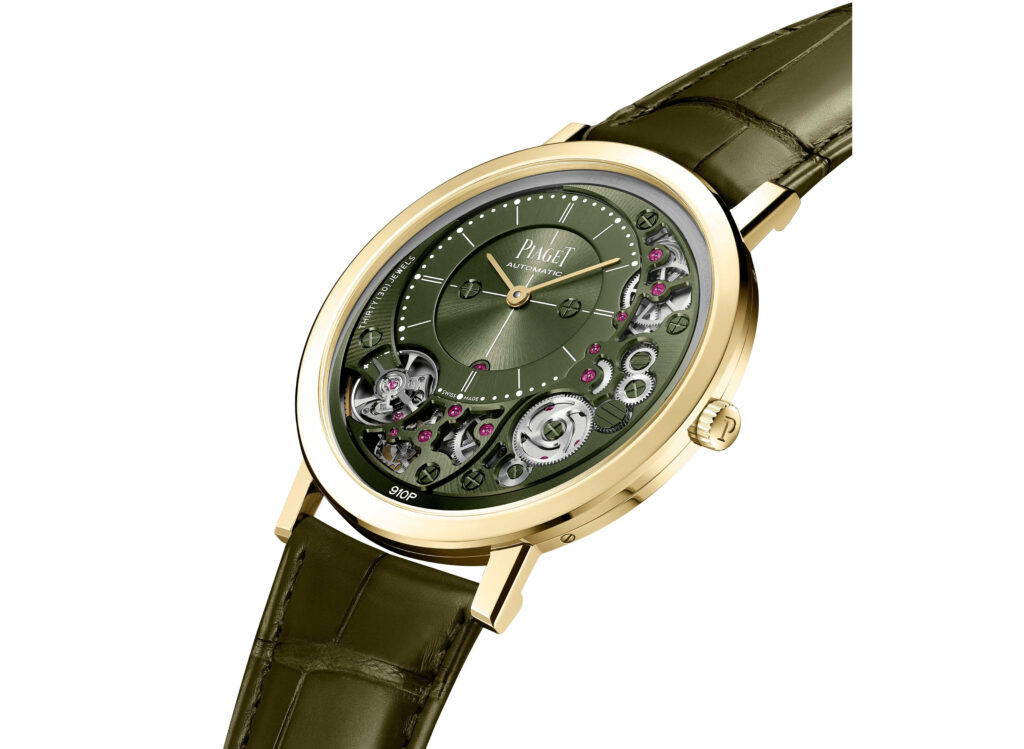
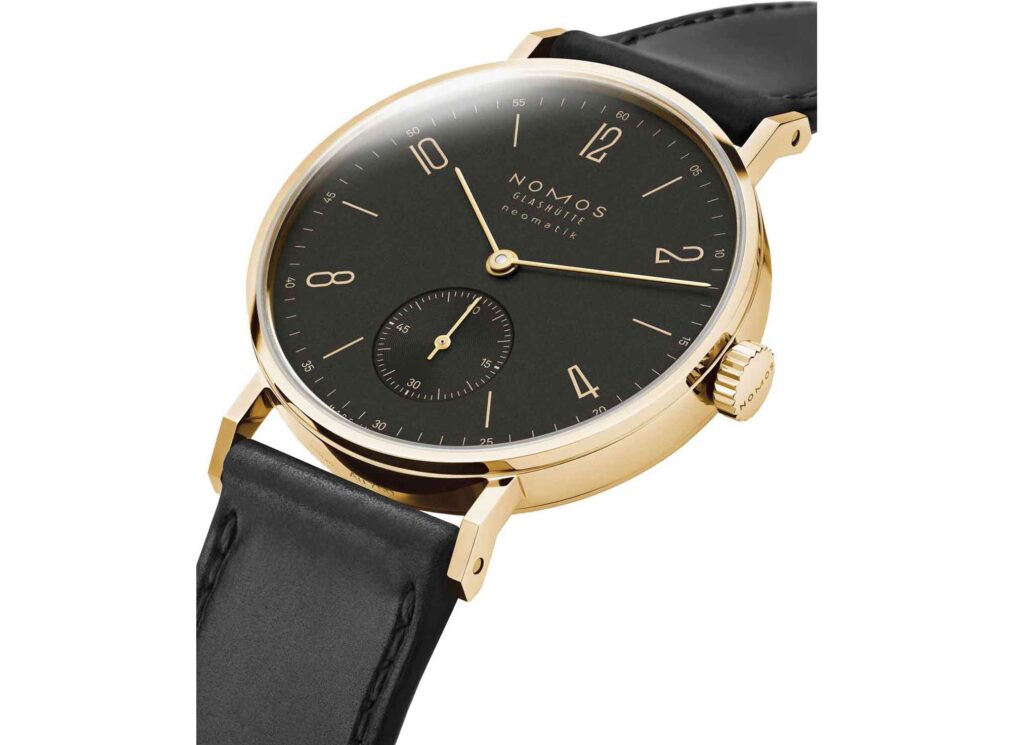
Design language sits at the centre of the revival. Neo-vintage cocktail watches retain classic elements, including sunburst or lacquered dials, applied indices and leaf or dauphine hands, yet refine them through restraint. Branding is quieter, and typography feels considered. Colour palettes lean toward champagne, graphite, oxblood, petrol blue and muted gold, referencing the past without drifting into costume.
Quiet Power
Modern movements anchor the category firmly in the present. Improved calibres, extended power reserves and dependable accuracy remove much of the fragility once associated with vintage elegance. As a result, cocktail watches no longer exist solely for special occasions. They have become daily companions for wearers who value comfort, intimacy and discretion.
Culturally, the cocktail watch mirrors shifting ideas of luxury. In a marketplace saturated with logos, scale and algorithmic hype, understatement has gained currency. A cocktail watch communicates taste through proportion, finish and context, not volume. Often, it passes unnoticed by most, and that quiet invisibility becomes its greatest strength.
For collectors, this discretion encourages narrative collecting. Cocktail watches rarely dominate auction headlines or social-media cycles. Their appeal unfolds slowly, shaped by wear rather than hype. Many collectors describe how these watches change posture, mood and presence.
Champions of Elegance
Several brands have emerged as neo-vintage reference points for collectors and fashion enthusiasts alike. Cartier remains foundational, with the Tank, Santos-Dumont and Baignoire defining timeless elegance. Piaget champions ultra-thin refinement through the Altiplano and archival dress models. Jaeger-LeCoultre balances heritage and modernity with the Reverso and Master collections.
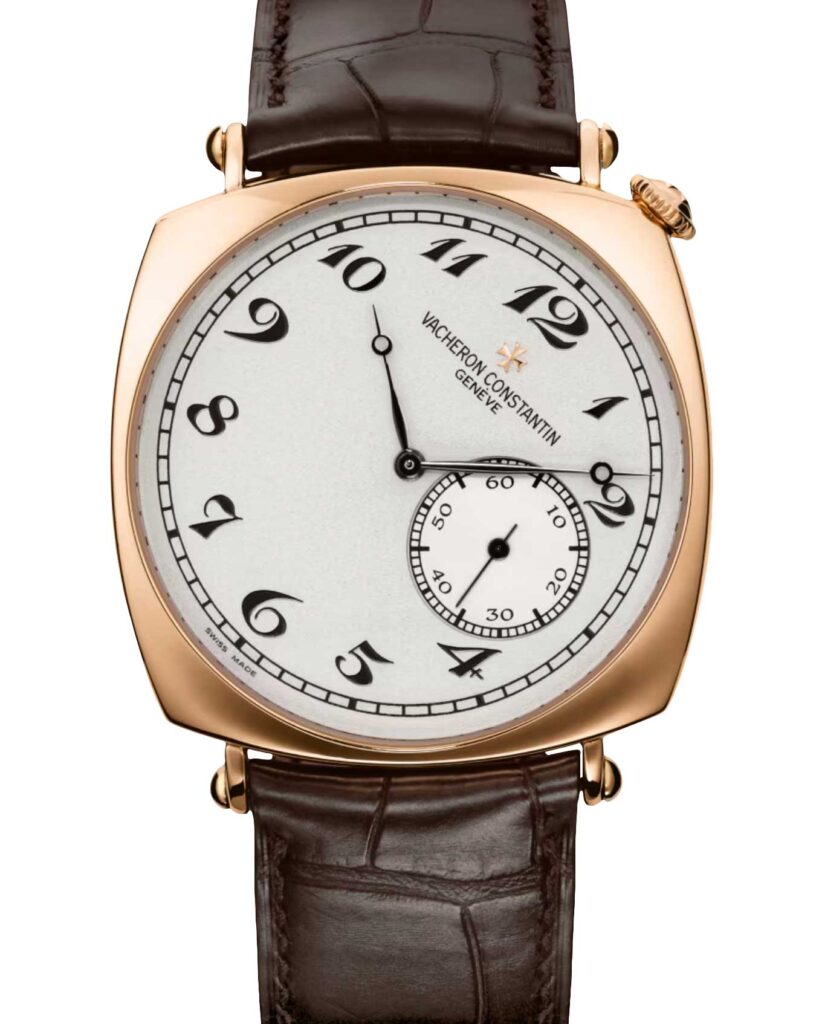
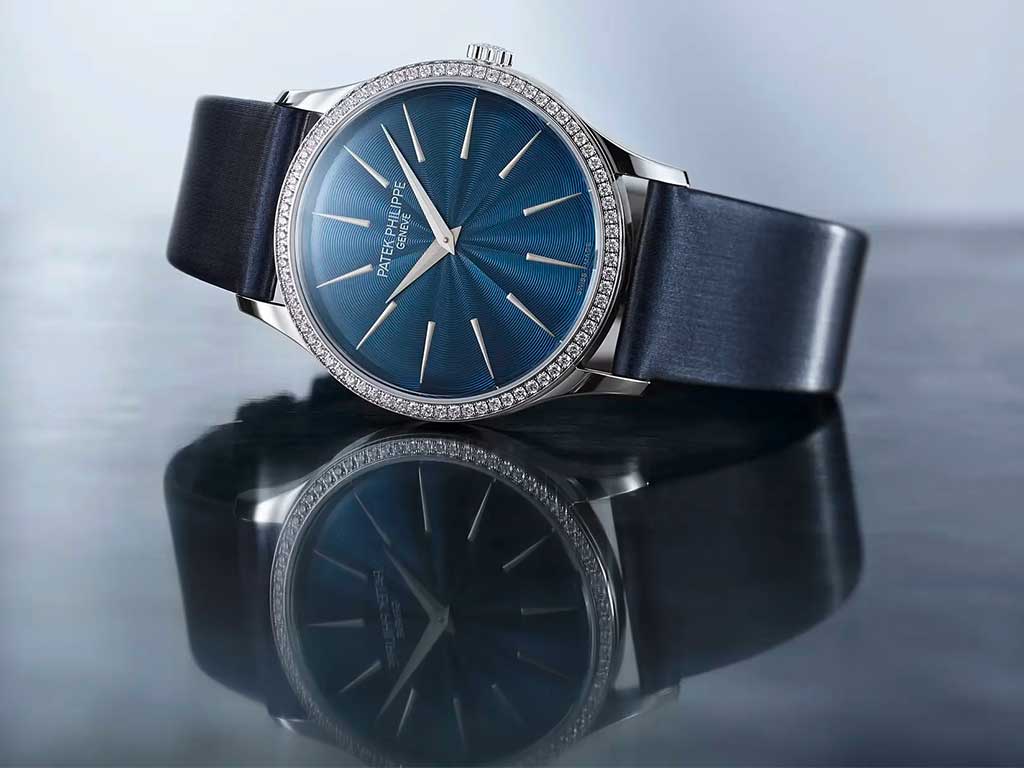
Vacheron Constantin offers classical restraint through the Patrimony and Historiques lines. Patek Philippe showcases understatement with the enduring Calatrava. Breguet brings guilloche, elegant numerals and old-world gravitas into contemporary relevance. The De Ville, in particular, represents the quieter, more refined side of Omega.

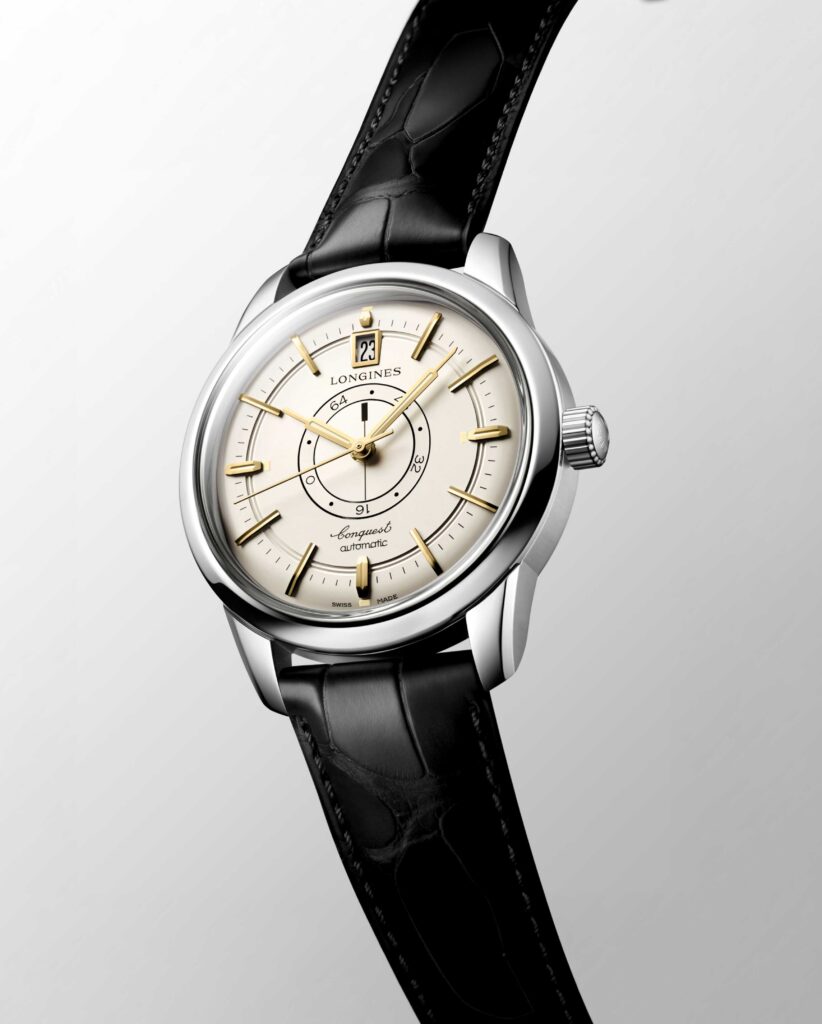
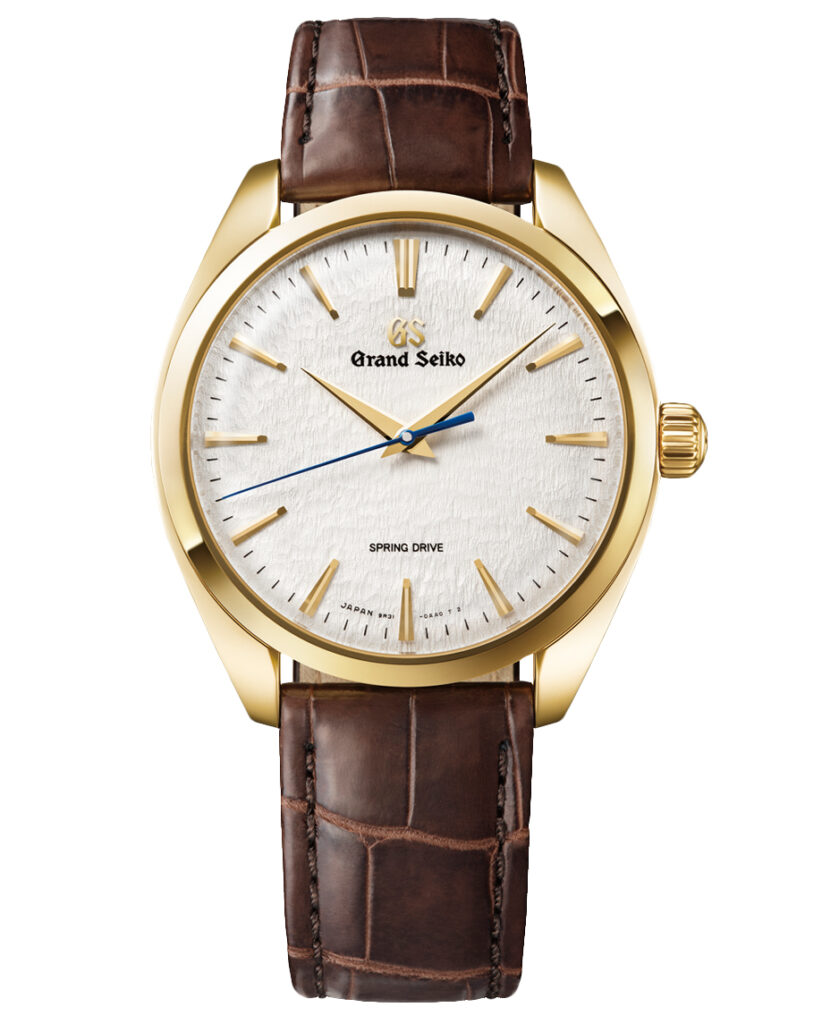
Longines translates mid-century proportions into accessible neo-vintage design through its Heritage line. Grand Seiko, within the Elegance collection, pairs disciplined sizing with exceptional dial craft. Nomos Glashütte completes the landscape with modernist clarity and fashion credibility.
For fashion-oriented wearers, the appeal is potent. Cocktail watches operate as jewellery, finishing an outfit instead of overpowering it. They pair easily with tailoring and eveningwear as well as denim, reflecting a broader shift toward personal styling over prescriptive dress codes. A slim watch worn with a knit polo, silk blouse or relaxed suit feels current precisely because it resists spectacle.

Proportional Appreciation
Ultimately, the neo-vintage cocktail watch reflects a maturing watch culture. After decades of escalation, the pendulum swings back toward proportion, elegance and presence. In choosing a cocktail watch, the wearer opts out of noise – a decision that feels increasingly deliberate in a culture driven by scale and speed. Quiet confidence becomes the statement. Time remains, but urgency dissolves.
This renewed appreciation signals a broader recalibration within horology itself. Mechanical watches are no longer judged solely by specifications, depth ratings or complication counts. Instead, value emerges through wear, proportion and emotional durability. Cocktail watches remind the industry that intimacy matters as much as innovation.
Neo-vintage sensibilities have also softened long-standing divisions within watchmaking. Cocktail watches were once marketed rigidly as men’s dress pieces or women’s jewellery. Today, proportions, straps and materials allow wearers to define the watch themselves. Gender becomes secondary to fit, feeling and expression.
Case for Humanity
As brands and collectors look ahead, the neo-vintage revival offers a roadmap forward. In smaller cases and quieter dials, watchmaking rediscovers its human scale. The cocktail watch, once overlooked, now feels essential. It asks not how much a watch can do, but how well it fits a life thoughtfully lived, deliberately paced, and attentively worn.
In that sense, the revival is less a trend than a correction, restoring balance between expression and excess. For those who understand it, the cocktail watch becomes a subtle yet unmistakable signature, marking time with grace, intention and restraint.