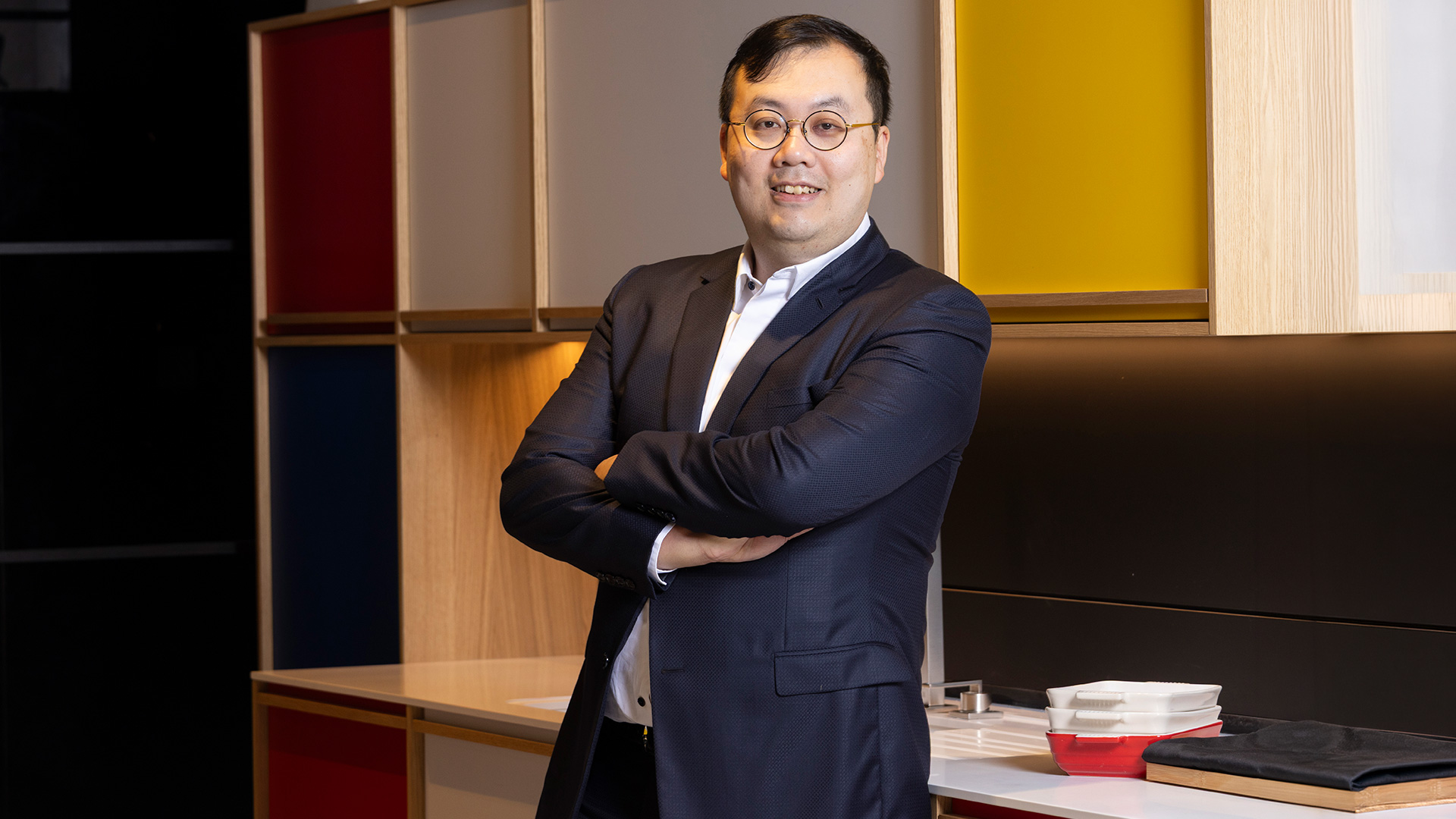
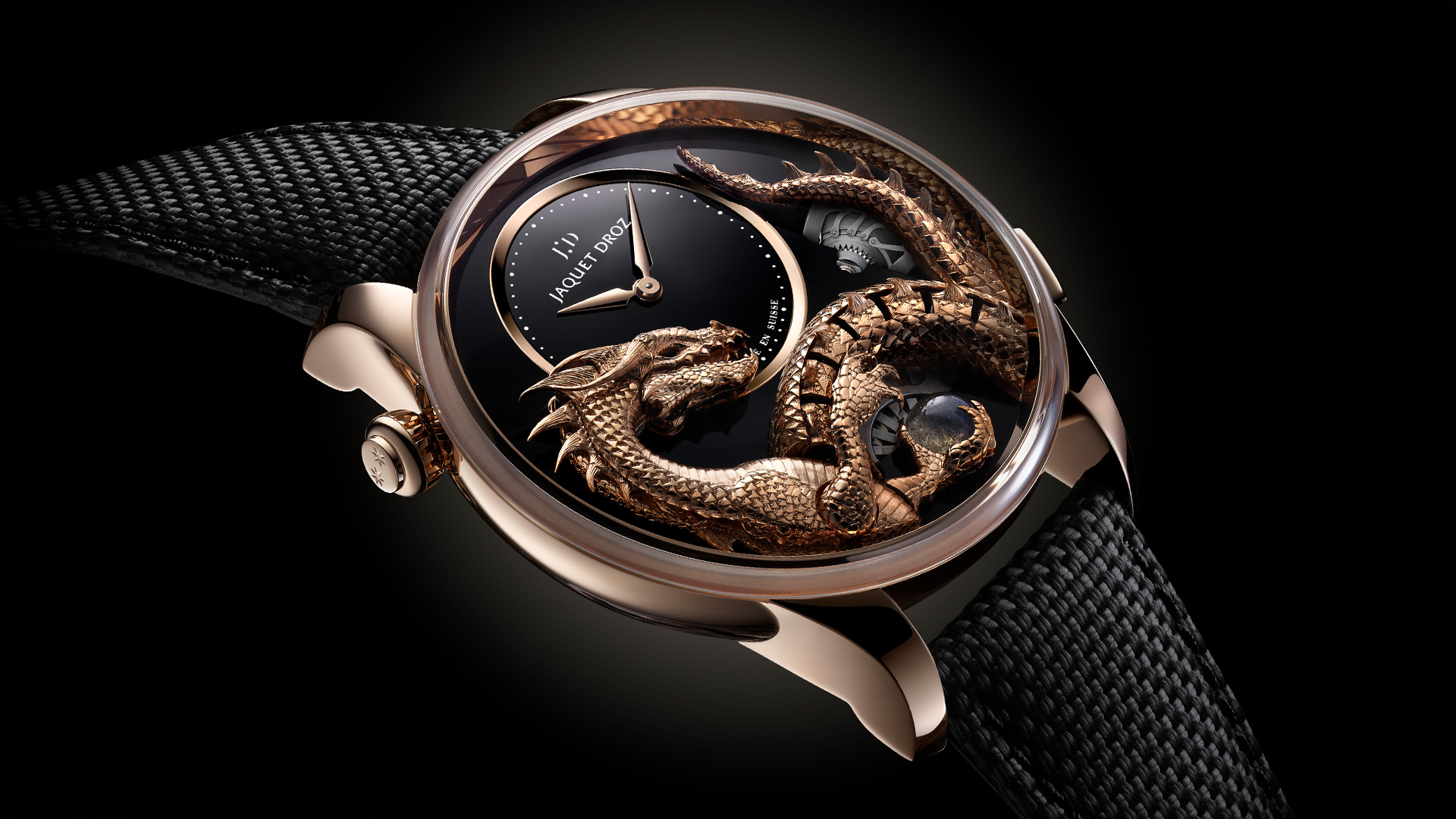
Art, Alchemy, and a Little Haute-Extravagance: Inside Alain Delamuraz’s Jaquet Droz World
Custom timepieces, royal-level craft, and the CEO’s secret ingredient: hospitality with a dash of disruption
In an interview with Alain Delamuraz, CEO of Jaquet Droz, the Swiss watchmaker since 1738, we discussed artistry being more than a tagline but an operating system, and the whole process of Swiss watchmaking history meets contemporary audacity, with a particular obsession for what happens when legacy becomes inspiration instead of a museum piece.
Alain Delamuraz’s answer to “Why emphasize custom timepieces?” starts with a poetic idea (and honestly, a bit of philosophy you want to frame on your wall):
He references the French writer Victor Hugo, who said, paraphrased here as, “the future is a door; the past is its key”. The point? You can’t truly know where you’re going without knowing where you came from.
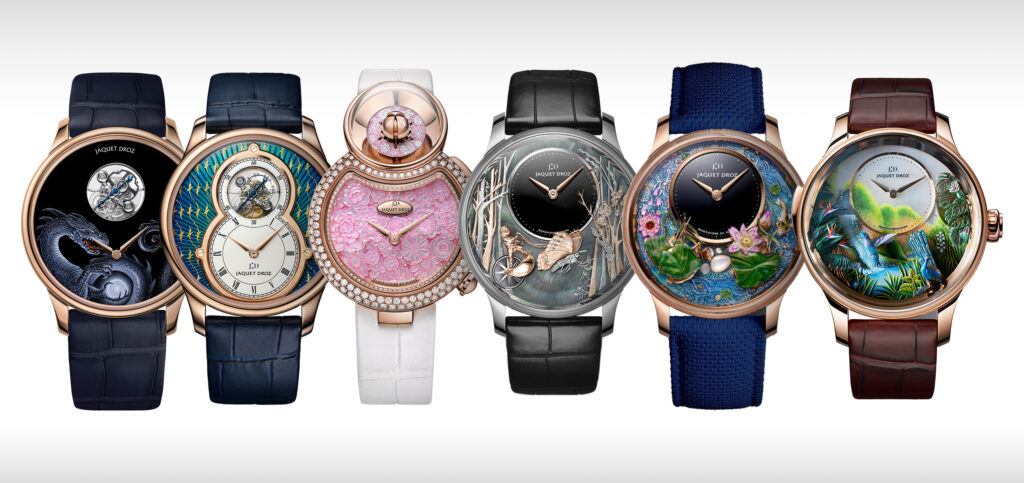
For a brand as storied as Jaquet Droz, one that carries the spirit of Pierre Jaquet-Droz, the founder credited with innovation and aesthetic refinement, the lesson is clear:
- Respect the roots.
- But don’t copy the past.
- Because, in Alain’s words, “If you copy, you die.”
So what’s the alternative? “Collect disruptive legacy.” Not disruption for disruption’s sake, more like controlled ignition. He describes a balance:
- Too normal = too slow
- Too revolutionary = you break the code
So Jaquet Droz aims for that sweet spot in between: pushing forward while keeping the soul intact.
And when he describes how that spirit shows up, it sounds less like product development and more like a chef bringing tradition to the table, then quietly inventing a new signature dish on the side.
Before stepping into luxury watch leadership, Alain’s career background includes hospitality, and it shows in the way he talks about clients and customization.
For him, hospitality is the main word, not only in hotels or restaurants, but anywhere we welcome people with intention. And in his world, “intention” means this:
High-level clients don’t want a transaction. They want attention, service, and anticipation, the kind that feels personal before it feels performative.
He even describes the training mindset: to understand what a customer needs, you learn to think like the customer yourself. Not in a scripted “pretend you’re them” way, but in a genuine way that helps you adapt to what they actually want before they have to ask.
In other words, the bespoke process isn’t just technical. It’s emotional. Hospitality, but make it horology.
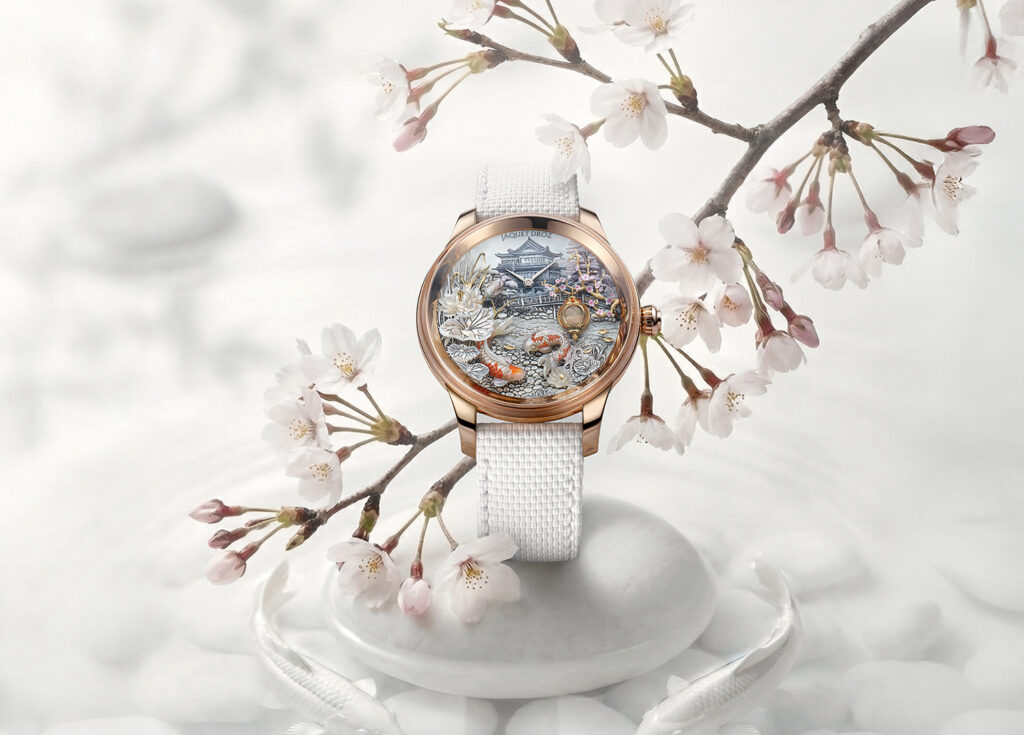
Global curiosity, cultural nuance, and the art of tailoring
Alain’s childhood and early career weren’t steeped in watch jargon; they were steeped in openness: family, travel, curiosity.
From early experiences, saving his first money in a car-repair garage ecosystem, to traveling widely while young, he developed a mindset that’s basically the opposite of “one-size-fits-all.”
He explains that cultures respond differently: you don’t treat people the same way across regions and traditions, and you shouldn’t impose your own “default” mindset on someone else.
Then he brings it back to bespoke watchmaking:
Bespoke isn’t only the watch. It’s the relationship. The customer’s “DNA” becomes part of the piece, because what you’re really creating is a work of art built around the person, not the template.
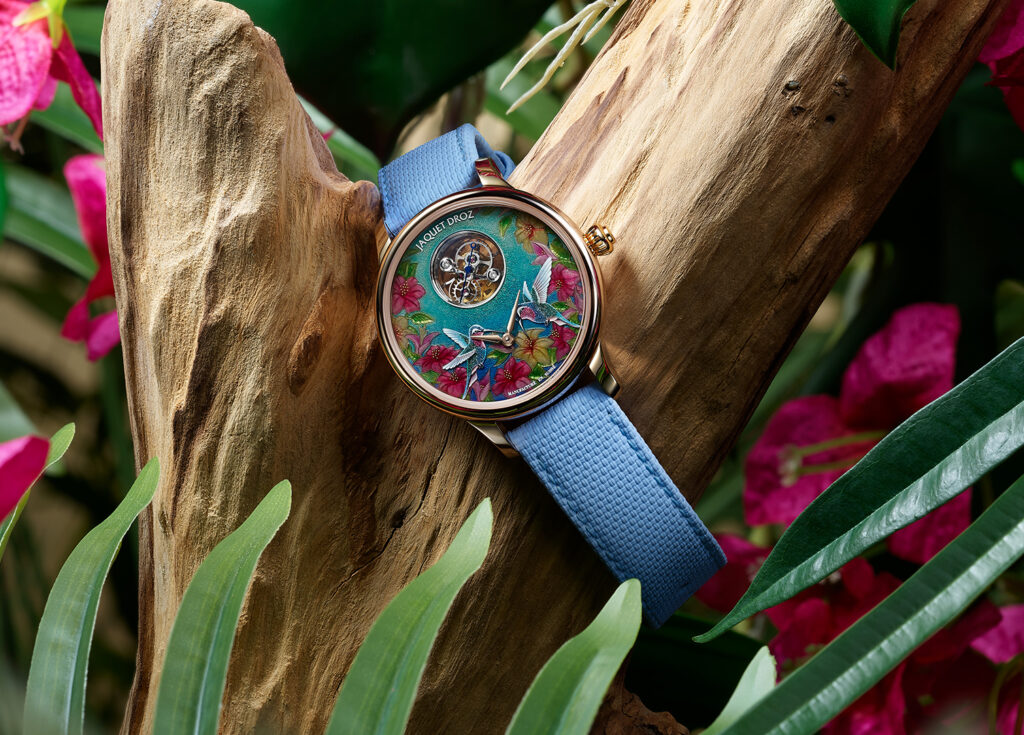
Future Plans
When the conversation turns to the next 5 to 10 years, Alain Delamuraz returns to his favorite rule: look at the past to guide what’s next.
He points to the historical legacy of Pierre Jaquet-Droz crafting masterpieces for royalty, kings, and emperors. The guiding principle isn’t “only for the powerful” as a marketing concept; it’s about what that level of patronage demands:
- If you make art for kings, you don’t do something irrelevant for others.
- The brand focuses on the highest tier: complicated, exceptional artistry across crafts.
- Each piece is unique—one by one, tailored to the individual patron.
He also describes a structural shift in the spirit of personalization: moving away from broad retail-style points of sale toward one-to-one human contact, the kind where the luxury is not just what you buy, but to whom you buy it from.
Because, he says, luxury is knowing the artist and building a relationship, similar to wanting to know the painter behind the painting, not just the painting itself.
And at the heart of that philosophy is collaboration: a watch as a collaboration between two artists. That’s the kind of sentence that makes you believe the process is less factory and more atelier, less mass customization, more hand-in-hand artistry.
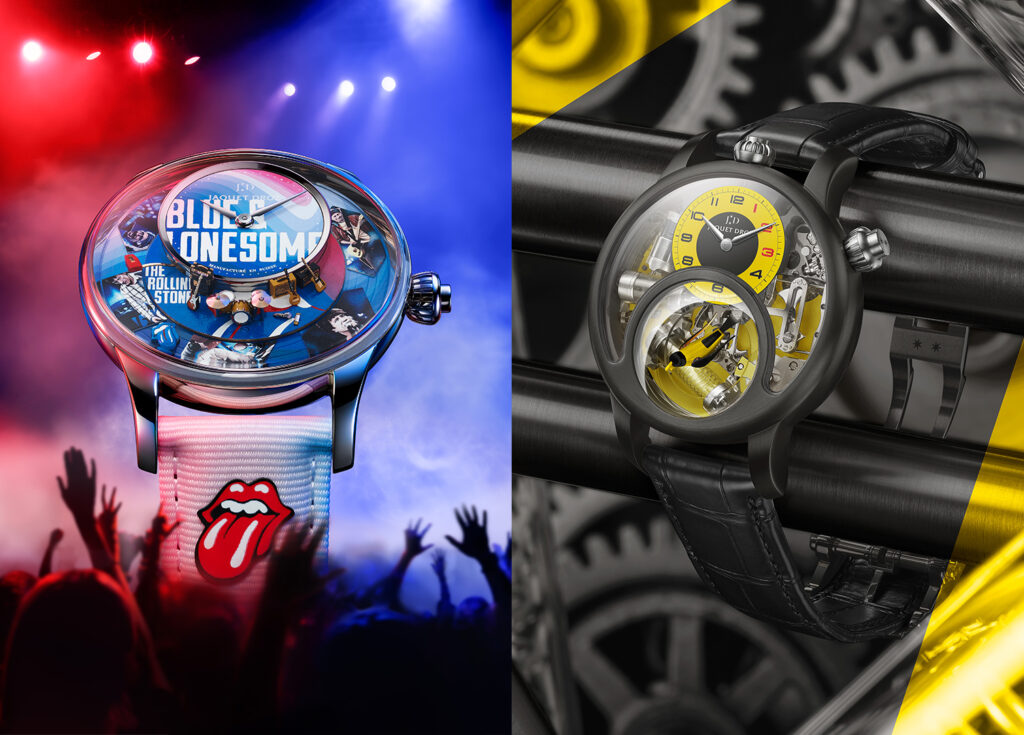
Happiness, success, and the power to be responsive
Finally, Alain answers the big questions: what is happiness and success to him? He frames it as character, optimism as a way of seeing opportunities even inside chaos. He describes learning from difficult moments (including COVID) where the pressure forced re-invention and challenged the brand to think differently.
He also references an idea in the spirit of Darwin: It is not the strongest of the species that survive, nor the most intelligent, but the one most responsive to change.
So success, to Alain, isn’t just about balancing innovation and tradition; it’s about staying flexible, reacting like you’re on a wave rather than steering like you’re driving a van. Planning is important, but responsiveness is survival, and creativity loves a moving target.
In this conversation, Alain Delamuraz didn’t talk like a CEO delivering specs. He talked like an artist defending a craft philosophy:
- The future opens with the past—but the brand must never become a copy.
- Culture, curiosity, and relationships are part of engineering.
- Success means staying responsive when the world changes the rules mid-game.
And that’s the extravagance here, not just in the watches, but in the belief that timepieces can be personal works of art.
Because if the key is the past… then the door is wide open.