

Spaceship Odyssey: Chi Lam’s courier platform charts a clear course through logistics chaos
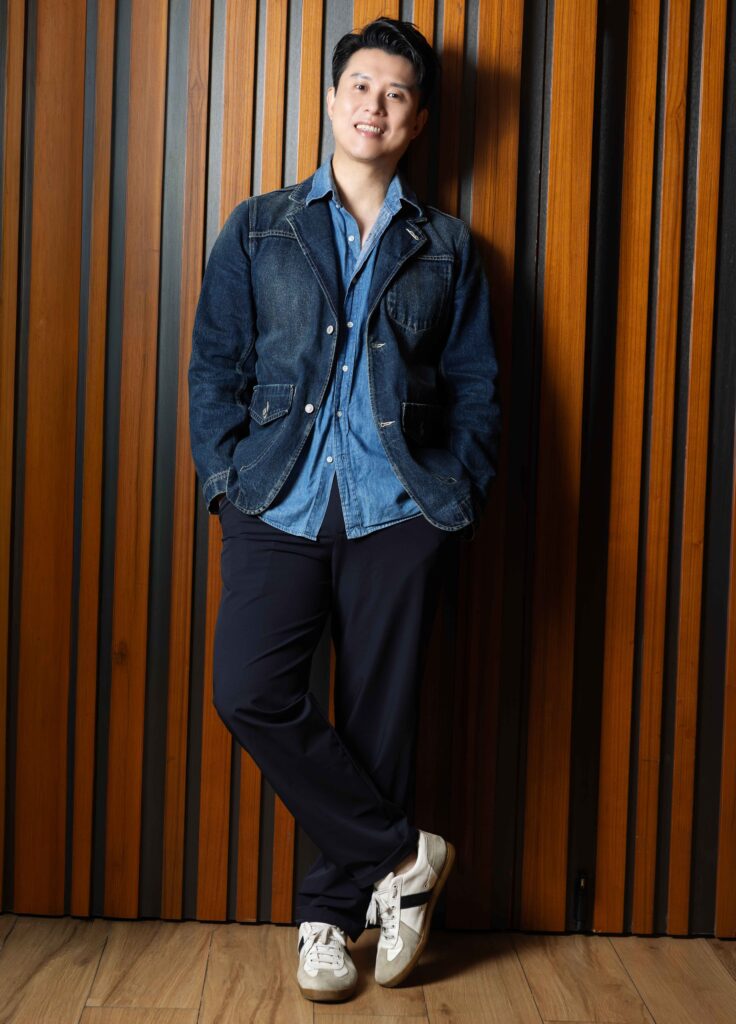
Having pulled up to JW Marriott in a grey Tesla, AI-powered logistics platform dynamo Chi Lam strides into the room in a uniform of white T-shirt and jeans, wrists accessorised by Chinese beads and a smartwatch flashing quietly with notifications, and leather loafers that say practical, but never sloppy. Our conversation with the commander of Spaceship begins where most logistics stories begin, at the edge of something complicated, and ends up at the opposite: simplicity.
“We had to,” he says of the company’s decision to move its operations and technology presence from Hong Kong to Shenzhen. “It was just the right thing to do. It’s a strategic and practical decision.” Then he smiles, like he’s about to reveal a number that sounds too good to be true. “I’m not even exaggerating that it’s a 20-times saving with just our rent changes. It’s crazy, I know.”
True to the logistics empire he is building, even big decisions have to make sense in the real world of cost, capacity, speed and stability.
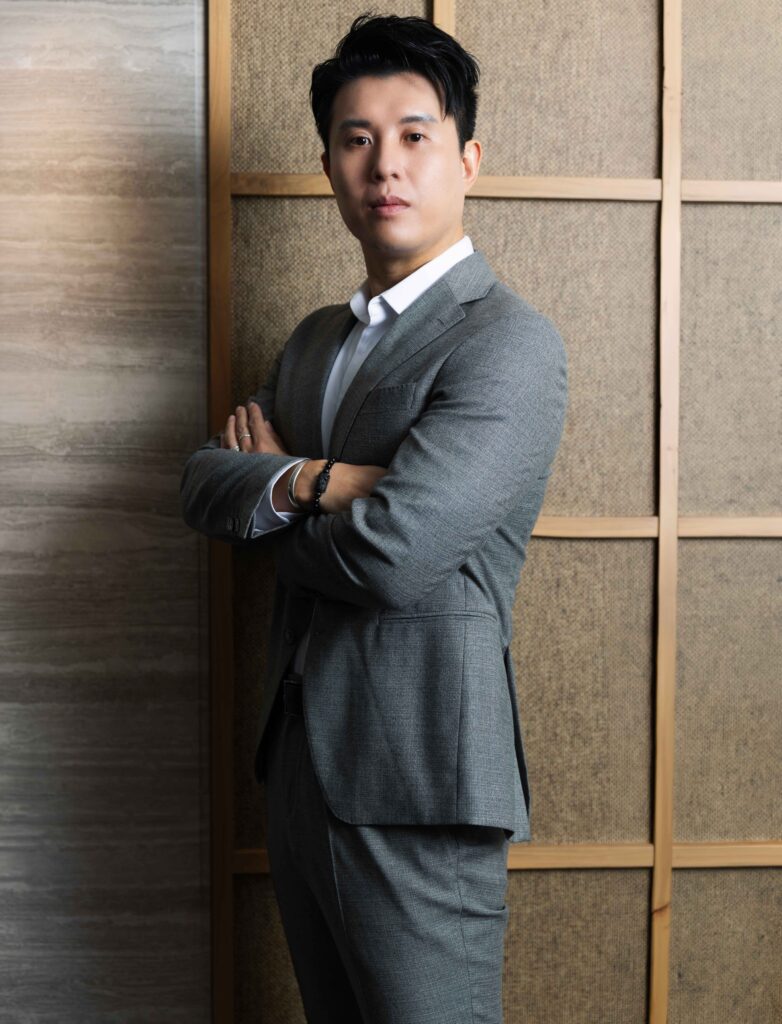
Ready for Take-off
Lam frames Spaceship like a mission: make logistics easier to use and accessible to everyone, by using big data and AI to help business customers save shipping costs and time. Since launching in 2019, the one-stop international courier comparison and booking platform has soared. Internal numbers are impressive: more than 130,000 members who can “with just a few clicks” find global delivery services that fit their needs, and 2.5 million-plus items shipped.
But his focus isn’t only growth; it’s growth that is scalable, repeatable and operationally sound. Looking forward, the company co-founder and CEO eyes the US and its opportunities as a major e-commerce market with complex multi-warehouse, multi-carrier needs. “That complexity fits Spaceship’s strengths,” he notes.
Logistics is a business where competition and service expectations are unforgiving, though. “Customer-acquisition costs can be high and operational mistakes can become expensive very quickly,” he states. So Spaceship is validating with selected merchants and partners before scaling aggressively. Localisation, reliable partnerships and consistent service quality is the current flightpath.
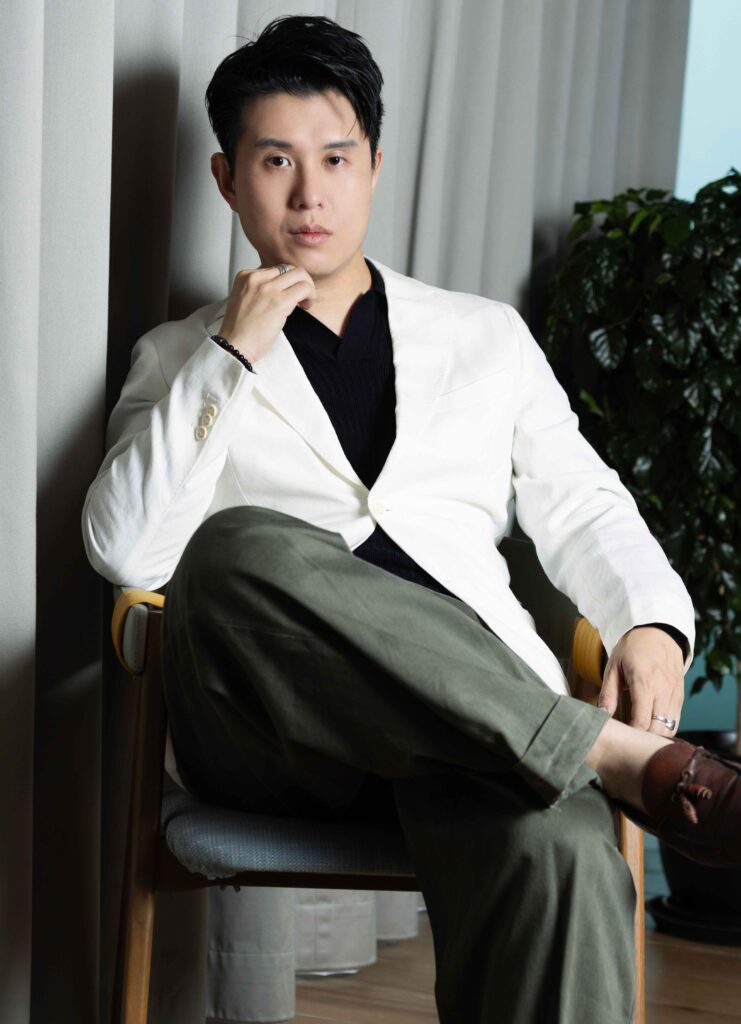
Fuelled by Loss
Before Spaceship had metrics, it had a personal foundation. Lam doesn’t romanticise his youth. He reveals that his understanding of work, responsibility and success changed dramatically when he was in secondary school. “My father passed away during that period, and from that moment, I felt that my role in the family had changed,” he shares. Success became something heavier and clearer than just achievement. “It became much more connected to responsibility. It meant being able to take care of the people around me.”
He expounds: “Losing my father was one of the moments that changed the way I looked at the future. I realised early that I couldn’t simply wait for opportunities to appear. If I wanted to create a better future, I had to actively build it.”
Lam chose to study nursing at the Hong Kong Polytechnic University. Then life handed him another classroom: e-commerce. He founded cross-border e-commerce platform Kaiser Bloc in 2010, and added to his portfolio in 2017 by co-launching Shopkyo, a site focusing on Japanese goods.
“I originally thought selling the product would be the hardest part. In reality, operations were often much more difficult. Logistics was one of the most painful and fragmented parts of the entire process,” he recalls. Spaceship was thus born – not from abstraction, but from lived frustration.
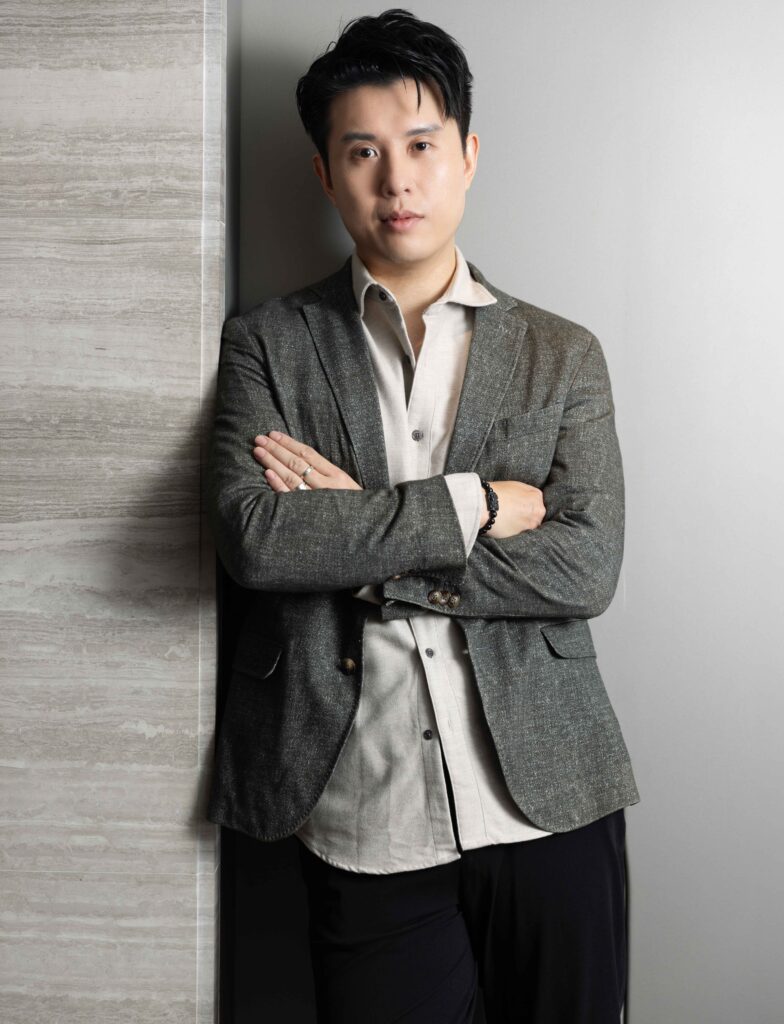
Humanising the Mission
His nursing degree shows in his emphasis on outcomes instead of only workflows. “Studying nursing taught me that behind every system, process and decision, there is a real human being,” he says. That human angle matters because logistics can look cold from the outside.
“In logistics, people often focus on parcels, routes, prices and delivery times. But behind every shipment, there is a merchant serving a customer or an individual waiting for something important.
A logistics delay may look like only a data point inside a system, but for a small merchant, it could mean an unhappy customer, a refund, a negative review, or the loss of future business.”
He labels logistics as stressful because merchants often feel that they don’t have control or visibility once an order has been shipped. Spaceship’s goal is to deliver visibility, options, better service choice, earlier risk detection and confident responses.
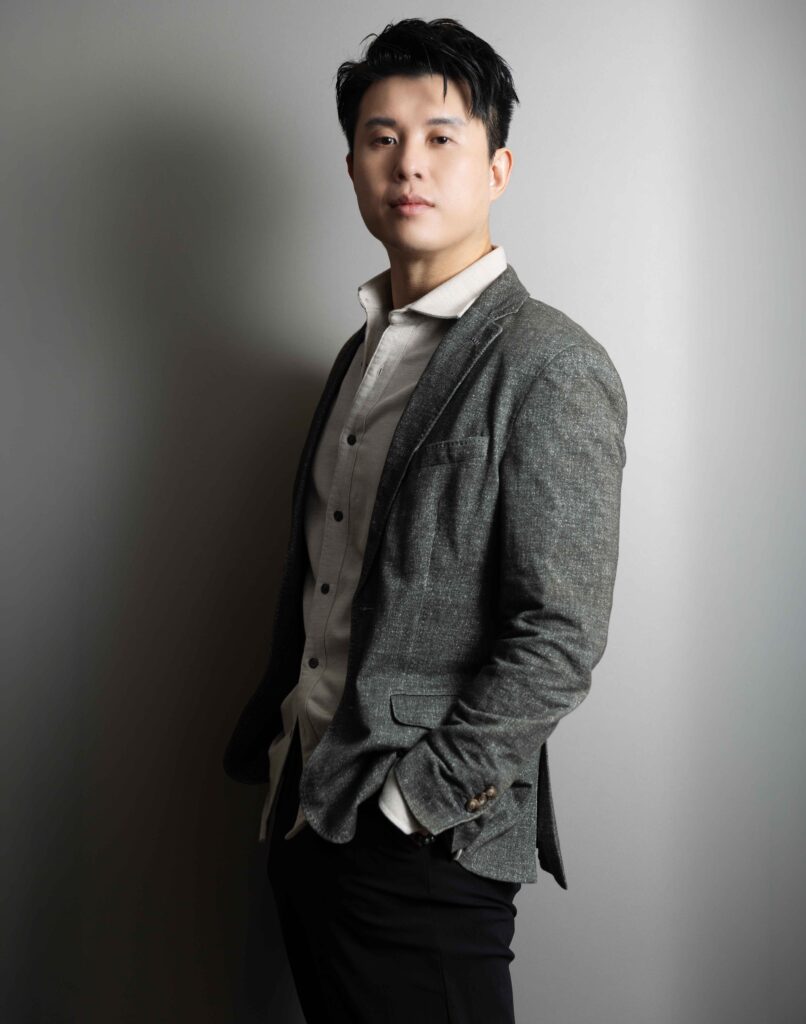
Flying Beyond Fear
Every business founder has a story about fear. Lam has a story about clarity. “During difficult periods, I believe the most important thing is to be transparent without creating unnecessary panic,” he says.
There was a time their startup had roughly two months of capital left. “It was a very stressful situation. The company, the employees, the customers, and many families were depending on the decisions we made. We became much more disciplined about costs, priorities, revenue and execution. We focused on activities that could directly improve the business.”
Today, he validates his earlier, smaller experiments. “Shopkyo taught me that perseverance is important, but perseverance alone is not enough,” he admits. He learned the difference between courage and stubbornness. “Continuing in the wrong direction for a long time is not necessarily courage. Sometimes it is simply an unwillingness to accept that an assumption was wrong. You can remain committed to solving a meaningful problem while changing the product, business model, or approach.”
As a leader, he focuses less on titles and more on substance and readiness. “I don’t think responsibility comes from a job title. It comes from being willing to step forward when people need you, especially when the situation is difficult. I focus on whether someone has relevant experience, strong judgment and the willingness to be honest.”
He adds: “Great leadership is often visible in small daily actions rather than major speeches. I don’t believe leadership means having all the answers. It means creating an environment where the team can find better answers together. All of those outcomes matter, but reducing uncertainty is one of the most meaningful impacts we can create.”
Automation Helps, Humans Lead
Logistics is chaos dressed up as spreadsheets, and Lam, it seems, has always been the kind of person who hates that disguise. “We begin by accepting that logistics will never be a completely controlled environment,” he says. In Spaceship’s orbit, AI helps with prediction and consistency while humans handle context and accountability. “The objective isn’t to remove people from logistics; it’s to remove repetitive work and give people better information so they can make stronger decisions.”
Echoing the kind of philosophy that would sound poetic if it weren’t also practical, he says: “Technology only creates value when it improves the real experience of the person using it. AI has made communication faster, but faster communication doesn’t automatically create deeper understanding.” It doesn’t replace trust-building. “Real connection still requires empathy, honesty, attention, and the willingness to understand another person’s situation.”
Lam believes AI’s biggest value is connected decisions, not isolated improvements. It can analyse more variables than people can handle manually, a benefit that can be used to improve customer experience. Instead of ‘Your parcel is delayed’, the system should help explain why, what’s likely next, and what to do. “The biggest value of AI will be turning fragmented logistics data into useful decisions,” he concludes.
Clear Landing
Lam glances at his smartwatch from time to time during our shoot, like the device is another tool in an already thoughtfully built system. And when he talks about AI at Spaceship, it comes back to that same attitude – intelligence that improves real experiences, not intelligence for its own sake. For Chi Lam, the future of logistics isn’t just faster shipping; it’s clarity, predictability and better decisions made possible by technology.
As we wrap, he lands on a principle that ties everything together: “At Spaceship, we want AI to make people more capable, not less responsible.”
Interview, Text & Art Direction: Joseff Musa Photographer: Jack Law Videographer: Iris Ventura Venue: JW Marriott Hotel Hong Kong